2026-10-22 ·
Step-by-Step Guide to Removing Spray Foam from Devon Attics
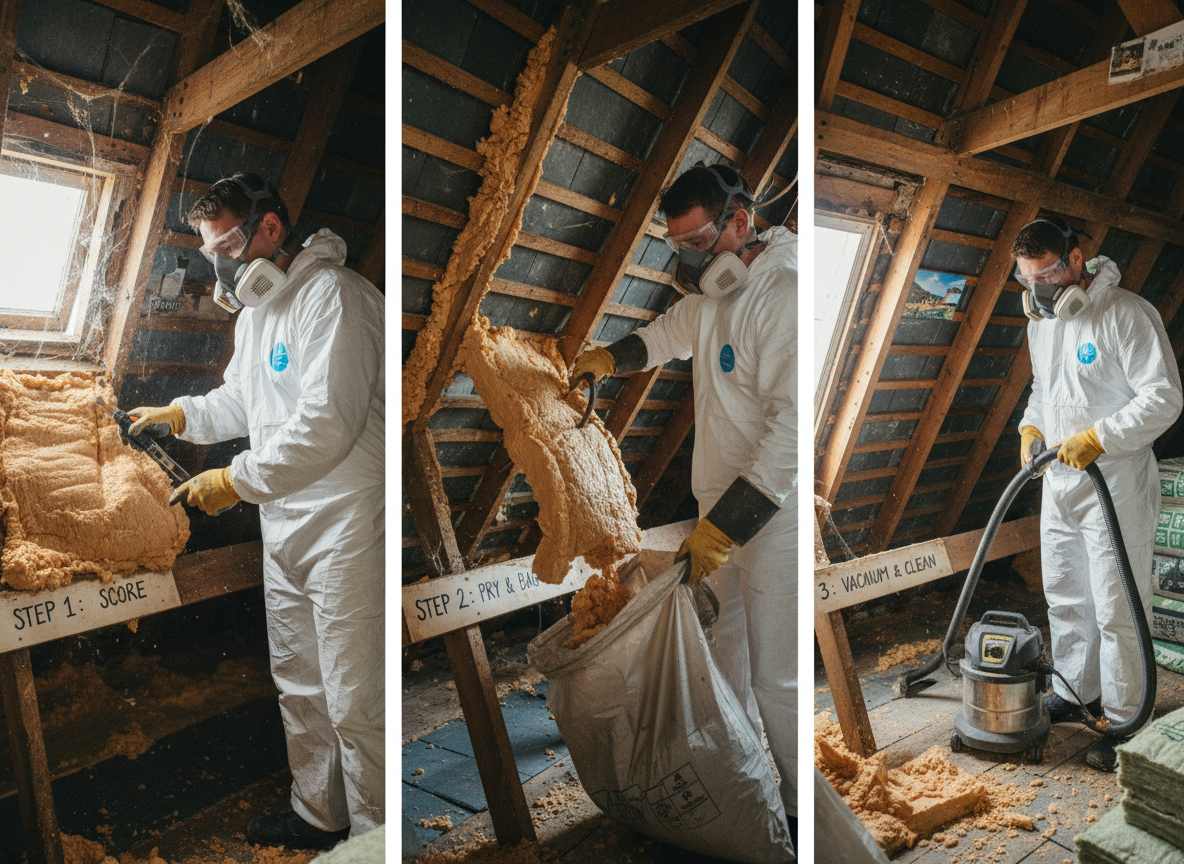
Removing spray foam from Devon attics in Plymouth typically takes 2–5 days depending on attic size and foam thickness, starting with a full inspection to identify open-cell versus closed-cell types and any moisture damage from the area's frequent rain.
Initial Assessment of the Attic Space
Begin by entering the attic through the access hatch and checking for signs of trapped moisture, which is common in Plymouth's mild, wet climate where coastal fog raises humidity levels year-round. Measure the foam depth in multiple spots and note the roof structure, as many homes near 32 Mayflower St feature Victorian-era timber trusses that can be weakened by improper prior insulation. Document any mold growth or wood rot before proceeding, and photograph everything for records. This step prevents surprises during removal and ensures the job matches the specific conditions of Devon attics. attic spray foam removal professionals often use moisture meters here to confirm readings above 18 percent.
Preparing the Work Area and Safety Measures
Clear the attic of stored items and lay down protective sheeting on the floor below to catch debris, especially important in terraced Plymouth properties where dust can travel between homes. Wear full PPE including respirators rated for particulates and eye protection, as closed-cell foam releases isocyanates when disturbed. Seal off the living space with plastic sheeting and tape around the hatch to contain airborne particles. In Plymouth's compact attic spaces, set up temporary ventilation fans venting outside to manage fumes. This preparation phase usually takes 2–4 hours and directly affects how cleanly the rest of the job proceeds.
Choosing and Applying Removal Techniques
For most Plymouth attics, start with mechanical scraping using handheld tools on thinner foam layers, followed by dry ice blasting spray foam removal for stubborn closed-cell sections that bond tightly to rafters. Work in sections from the peak downward to control falling material, and monitor for hidden wiring or pipes common in older Devon stock. In coastal neighborhoods, factor in extra time for salt-air corrosion on metal fasteners that may have degraded under the foam. Avoid water-based methods that could worsen existing dampness from Plymouth's 40-plus inches of annual rainfall. The process requires steady pacing to prevent damage to the original roof deck.
Post-Removal Cleanup and Disposal
Vacuum all residual particles with HEPA-filter equipment and wipe rafters with a damp cloth to remove fine dust that could affect new insulation adhesion later. Bag and remove waste in sealed containers for proper disposal at licensed Devon facilities, as spray foam is not standard household refuse. Inspect the now-exposed attic for ventilation upgrades needed in Plymouth's humid environment to prevent future condensation. environmentally friendly insulation removal practices emphasize separating foam from any timber for recycling where possible. Final walkthrough confirms no loose material remains before restoring access.
Local Considerations for Plymouth and Surrounding Devon Areas
Plymouth's slate-roofed homes near the Hoe and Barbican often have limited attic headroom that slows removal compared to newer builds in areas like Plymstock. Coastal exposure increases the risk of hidden corrosion, so always check for rust on fixings during the job. local challenges removing spray foam near Plymouth's coast include higher mold potential from salt-laden air. Schedule around drier winter windows when possible, though 24/7 availability from the base at 32 Mayflower St allows flexibility. Review related cost details in Typical Costs for Spray Foam Removal Plymouth Projects to plan the full scope accurately.