2026-10-22 ·
When to Schedule Spray Foam Removal Before Selling in Plymouth
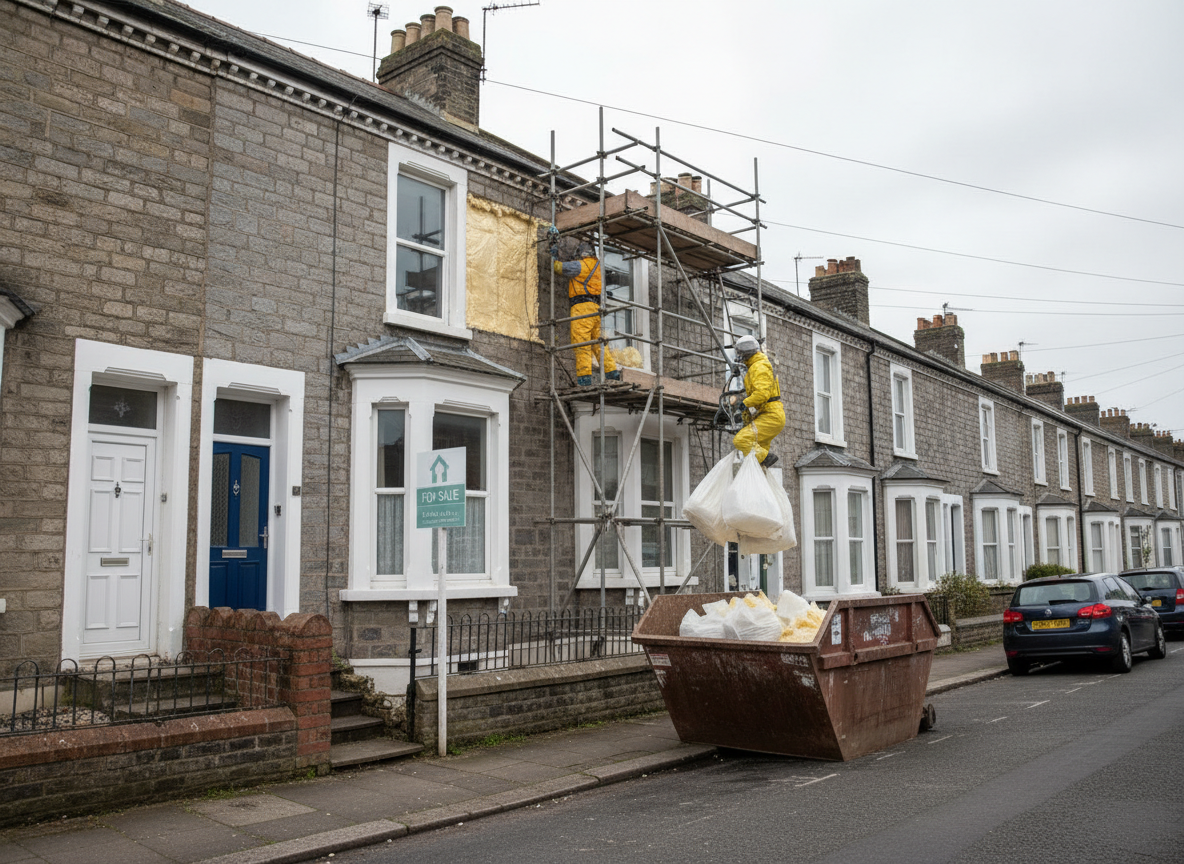
Schedule Spray Foam Removal Plymouth 6-10 weeks before listing your property. This window covers removal, drying time, follow-up inspections and lender reviews common with Devon homes that have older loft insulation. Starting earlier avoids rushed jobs that leave residue or moisture problems buyers notice during viewings.
Timing for Mortgage Lender Requirements
Many Plymouth buyers rely on mortgage lenders that flag spray foam in lofts or cavities. Lenders often require full removal and proof of clean rafters before releasing funds. In terraced houses around Mutley and Stoke, foam installed 10-15 years ago now blocks surveys. Book removal early so the 24/7 team at 32 Mayflower St, Plymouth PL1 1QX can finish and allow a second inspection. Delaying until offers arrive leaves sellers negotiating price reductions or losing buyers who switch to properties without foam issues. Residential Spray Foam Removal crews see this pattern weekly in post-war semis near the dockyard where damp winters accelerate foam breakdown.
Seasonal Weather Patterns in Plymouth
Plymouth's coastal climate brings frequent rain and high humidity from October through March. These conditions slow drying after foam removal and increase the chance of hidden moisture in timber. Scheduling in drier months from April to September lets crews complete work faster and reduces callbacks. Properties near the Hoe or in Keyham face stronger salt air that can leave residue on rafters if cleaning is rushed. Local operators know to allow extra days for ventilation in these spots. Starting removal too close to winter listings often pushes completion into wet weather, extending the process by two to three weeks and pushing back exchange dates.
Preparing Older Plymouth Housing Stock
Victorian terraces and 1930s semis dominate Plymouth streets and many still hold closed cell foam from earlier energy grants. These homes need careful removal to protect original lath and plaster ceilings below. Plan the job well before estate agents take photos so any ceiling repairs or new insulation can settle. Homeowners in areas like Lipson and Peverell report that buyers' surveyors routinely request written confirmation of removal. Leaving the work until the last minute risks visible dust or incomplete sections that appear in professional photographs. Early booking also lets owners coordinate with other pre-sale tasks like electrical checks common in these older builds.
Linking Removal to Sale Timeline
View the process as one stage in the full sales sequence rather than an add-on. After removal, allow time for the property to air out and for any new loft boarding or insulation to be installed if the buyer prefers. Typical Costs for Spray Foam Removal Plymouth Projects shows most jobs on three-bed terraces finish in five to eight working days once access is arranged. Add buffer weeks for lender paperwork and a final walkthrough. Sellers who start removal only after an offer often face chain delays when the buyer's lender withholds funds. Early action keeps the transaction moving on the original timeline.
Local Challenges Near Plymouth's Coast
Salt-laden air and frequent storms around the Plymouth waterfront create extra demands during removal. Foam near chimneys or party walls in coastal terraces can trap moisture that takes longer to evaporate. Crews working from the Mayflower Street base routinely extend drying periods by a week in these conditions. Local Challenges Removing Spray Foam Near Plymouth's Coast details how properties within two miles of the sea often need additional ventilation checks before surveyors sign off. Scheduling removal with this buffer prevents last-minute hold-ups when buyers compare your home against foam-free options in drier inland spots like Tavistock.